Remember getting a Mason Jar, poking holes in the lid, putting some grass, leaves and a stick in the jar then heading out to the yard to catch lightning bugs? Good times, good memories!
Depending on where you grew up, you may call them fireflies, lightning bugs or glow bugs. They have different names, but their familiar glow always signaled the beginning of summer.
Across the country, lightning bug populations are slowly fading. With their origins dating back tens of millions of years, there isn’t a definite answer to explain their disappearance. However, scientists have their theories, including habitat loss due to new development, light pollution and a changing environment.
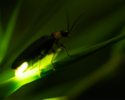
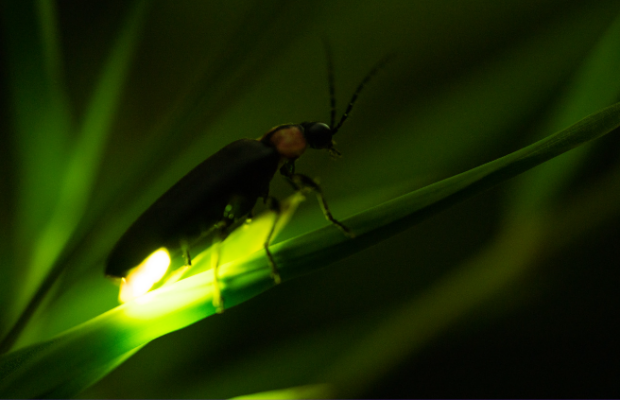
According to Merriam-Webster, fireflies are beetles that emit intermittent light due to a chemical reaction of a compound called luciferin. The light is produced especially for “courtship purposes.” They also flash or glow to warn other creatures that they are too toxic to eat, scientists say.
The reaction happens in the lower part of the insect’s body and can cause a flashing or long-lasting glow.
The existence of fireflies is important as they serve a purpose in the food chain. Feeding on soft-body insects when larvae, they, like any other predator, help to maintain a balance in the ecosystem.
Fireflies once seemed plentiful and cool, easy to catch and watch, serving as an introduction to the world of nature around us. In the past few years, entomologists kept hearing anecdotal reports of fewer fireflies, leading to fears that the summer flash was fading with habitat loss, pesticides, light pollution and climate change.
About one-third of the 130 species surveyed in the U.S. and Canada are doing fine, but about 18 are in trouble. Experts say you can help firefly populations by keeping outside lights off or using yellow bulbs on outdoor lights since yellow is less attractive to most insects.
You can raise the height of your lawnmower before cutting the grass to keep your grass cooler while locking in moisture, which provides a good habitat for larvae. Also, adding native plants such as milkweeds, black-eyed Susans or purple coneflowers are some top native plant picks for happy pollinators.
(Video courtesy of National Geographic)